Deploying Industrial Internet of Things (IIoT) sensors across vast geographic areas requires careful protocol selection. The two dominant players in this arena are LoRaWAN and Cellular (specifically LTE-M and NB-IoT).
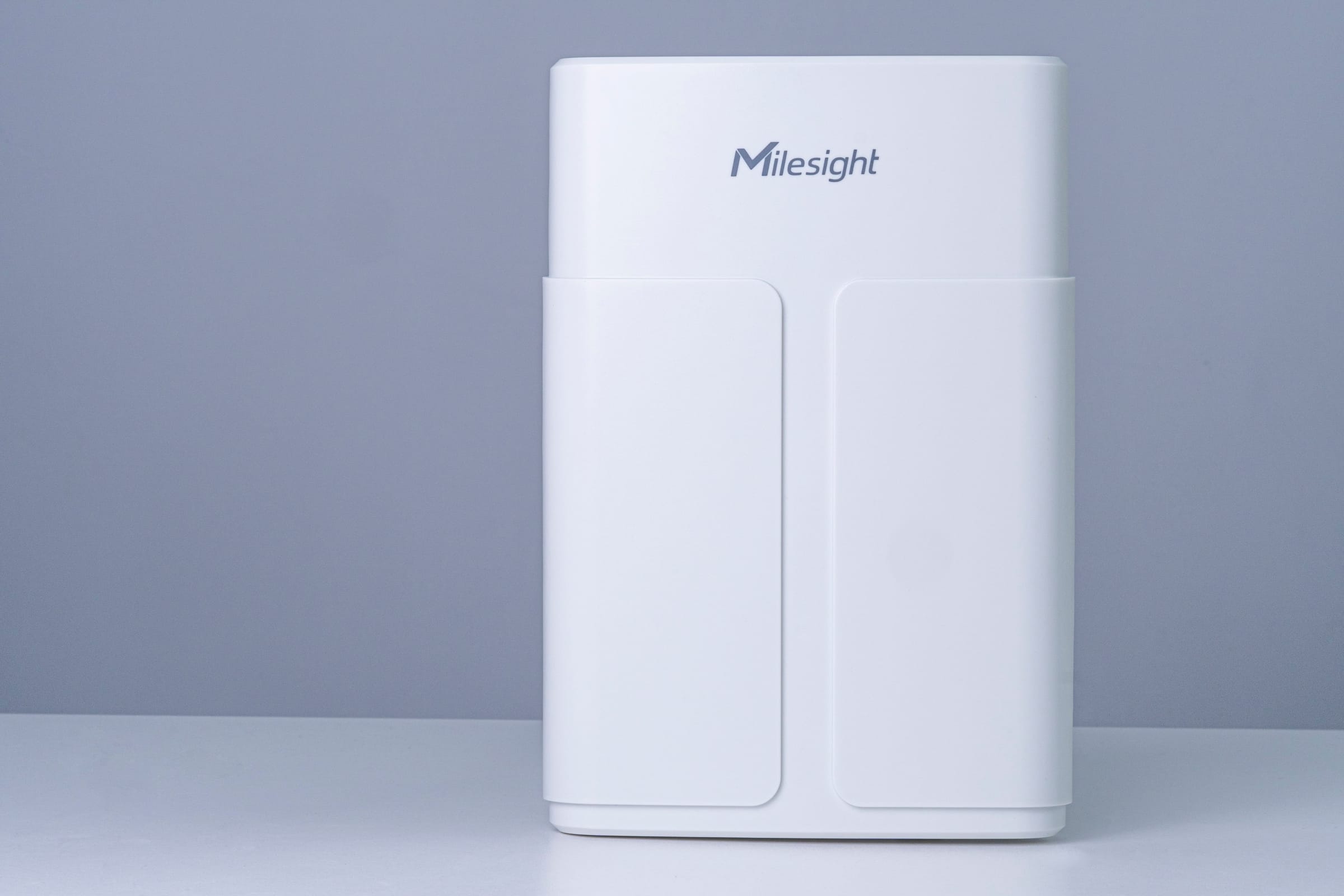
LoRaWAN operates in unlicensed sub-GHz spectrums and is designed for low-bandwidth, low-power transmissions. It is incredibly cost-effective for private deployments; once gateways are installed, there are no ongoing carrier subscription fees. Furthermore, sensors can run on batteries for up to 10 years, making it ideal for remote soil moisture sensors, tank level monitors, and temperature tracking.
Cellular, on the other hand, excels in applications requiring high data throughput, low latency, or mobile tracking (e.g., live vehicle tracking or high-frequency grid telemetry). However, cellular hardware consumes significantly more power, requiring larger batteries or solar panels, and incurs recurring monthly SIM costs. Xceltra provides solutions for both topologies, allowing system integrators to build hybrid networks that optimize both cost and coverage.