

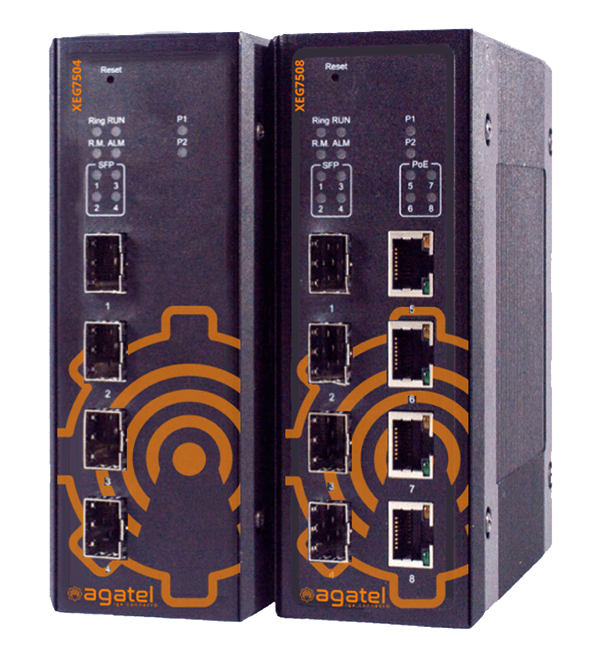
It is often tempting to deploy standard enterprise switches or routers in industrial settings to save on initial hardware costs. However, commercial-grade electronics are designed to operate inside climate-controlled server rooms or offices. When exposed to dust, moisture, electromagnetic interference, or extreme temperature swings, they degrade rapidly and fail.
True industrial-grade hardware is designed from the PCB up with ruggedized components. This includes capacitors, processors, and solder joints rated for operation between -40°C and +75°C. Instead of active cooling fans (which are mechanical fail points prone to sucking in dust and moisture), industrial gateways utilize heavy fanless aluminum enclosures that double as heat sinks. Additionally, they feature advanced electromagnetic compatibility (EMC) shielding to prevent electrical noise from nearby high-voltage lines or motors from disrupting data packets. Investing in ruggedized infrastructure is the only way to guarantee the long-term reliability of mission-critical systems.